Date: Oct 14, 2026
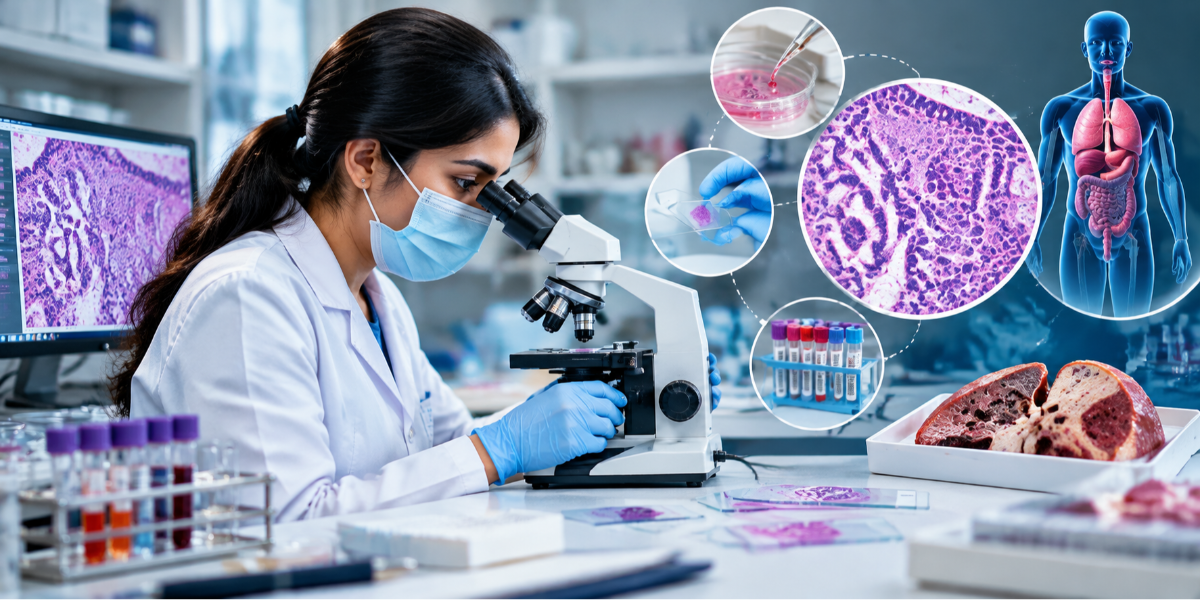
When you visit a doctor, you may need blood tests, urine tests, or a biopsy to understand what is causing your symptoms. These tests can provide important information about your health, but who examines the samples and helps identify the disease? This is where a pathologist plays an important role.
A pathologist is a medical doctor who studies diseases by examining body tissues, blood, cells, and other samples. Their findings help other doctors diagnose illnesses, understand how serious a condition may be, and choose appropriate treatment options.
Pathologists work behind the scenes in many healthcare settings, but their work is essential for accurate disease diagnosis and patient care.
A pathologist is a doctor who specializes in identifying and understanding diseases. They examine laboratory samples and interpret test results to determine whether a person has a particular illness or medical condition.
Pathologists work closely with other healthcare professionals, including general physicians, surgeons, oncologists, and infectious disease specialists. Their reports help these doctors make informed decisions about patient care.
For example, if a doctor suspects anemia, a blood test may help identify an abnormality in red blood cells or hemoglobin levels. If cancer is suspected, a pathologist may examine a tissue sample to determine whether cancer cells are present.
Pathology is also an important subject in medical education. Students studying the Department of Pathology at AUMDC can explore how diseases develop, how laboratory investigations support diagnosis, and why pathology is essential in modern medicine.
A pathologist performs several important tasks that help doctors understand diseases and plan patient care.
One of the main responsibilities of a pathologist is interpreting laboratory findings. Depending on their specialty and workplace, they may examine or review results from blood, urine, body fluids, and other specimens.
These investigations can help doctors identify:
Laboratory results are interpreted alongside a patient's symptoms, medical history, and other examination findings.
Pathologists play a major role in diagnosing many types of cancer.
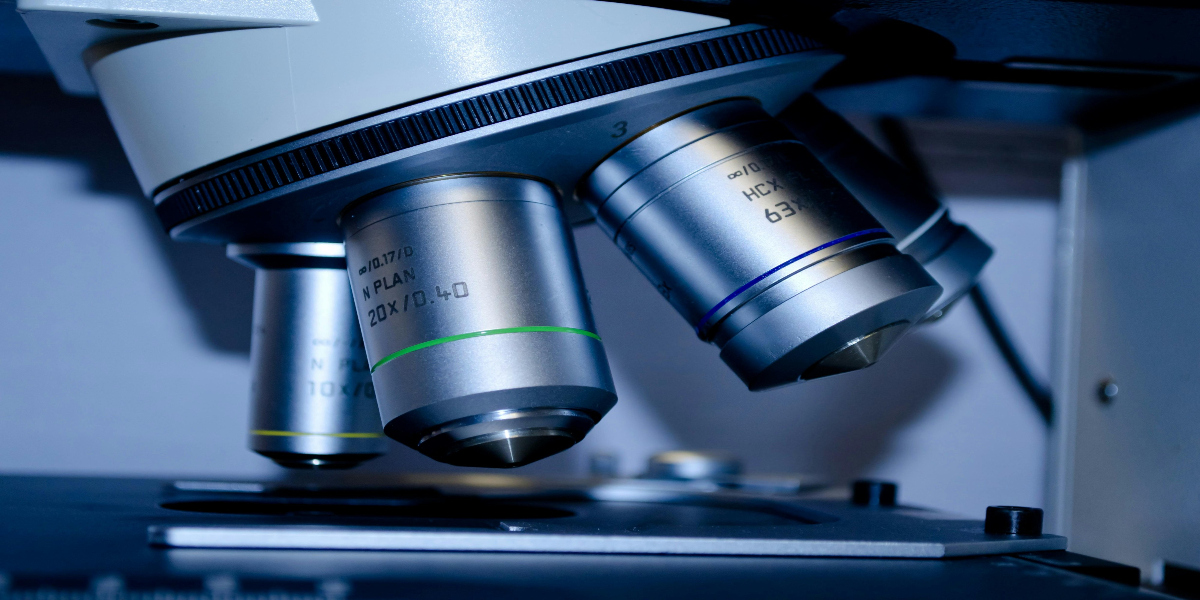
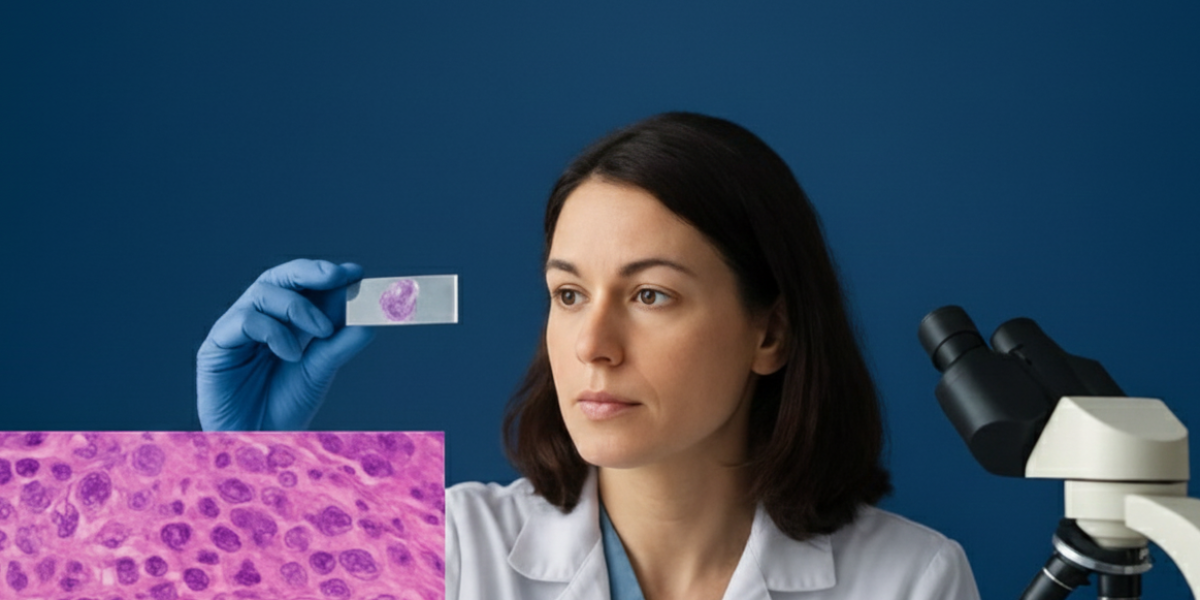
When a doctor suspects cancer, they may collect a small tissue sample through a procedure called a biopsy. A pathologist examines the sample under a microscope to look for abnormal cells and changes in the tissue.
A pathology report may help determine whether cancer is present and, when applicable, identify its type and other features that guide treatment planning.
In some cases, additional tests are required to provide more information about the disease.
Pathologists and laboratory medicine specialists help identify organisms that cause infections, including bacteria, fungi, and parasites. Depending on the suspected infection, laboratory investigations may include cultures, microscopy, molecular tests, or other diagnostic methods.
These findings can help doctors select appropriate treatment and understand whether additional testing is necessary.
For example, certain laboratory tests can help identify the bacteria responsible for an infection and assess which antibiotics may be effective.
Pathologists may examine tissue samples and individual cells to identify abnormalities.
Two important areas of pathology are:
These techniques are used in diagnosing a range of conditions, including inflammatory diseases, certain infections, and cancers.
After examining a specimen and reviewing relevant findings, a pathologist prepares a report for the treating doctor.
The report may describe normal findings, abnormalities, or evidence supporting a particular diagnosis. Some reports may also recommend additional tests when the findings are inconclusive or require further investigation.
Doctors use these reports alongside clinical information to make decisions about treatment, monitoring, or further investigations.
Pathologists contribute to treatment planning by providing information about the nature and characteristics of a disease.
For example, pathology findings can help doctors determine the type of cancer a patient has. In selected cases, additional laboratory testing can identify markers that help guide treatment choices.
Pathology can also help monitor certain diseases and assess how they respond to treatment.
Pathology has several branches, and each focuses on different aspects of disease diagnosis.
Clinical pathology focuses on laboratory testing of blood, urine, and other body fluids. It includes areas such as clinical chemistry, hematology, microbiology, and transfusion medicine.
Clinical pathologists help ensure that laboratory findings are accurate and clinically useful.
Anatomical pathology focuses on examining tissues, organs, and cells to identify disease-related changes. This field includes histopathology and cytopathology.
Anatomical pathologists often help diagnose cancers and other conditions through the examination of tissue samples.
Hematopathology focuses on diseases affecting blood cells, bone marrow, and the lymphatic system. It can help diagnose conditions such as leukemia, lymphoma, and other blood disorders.
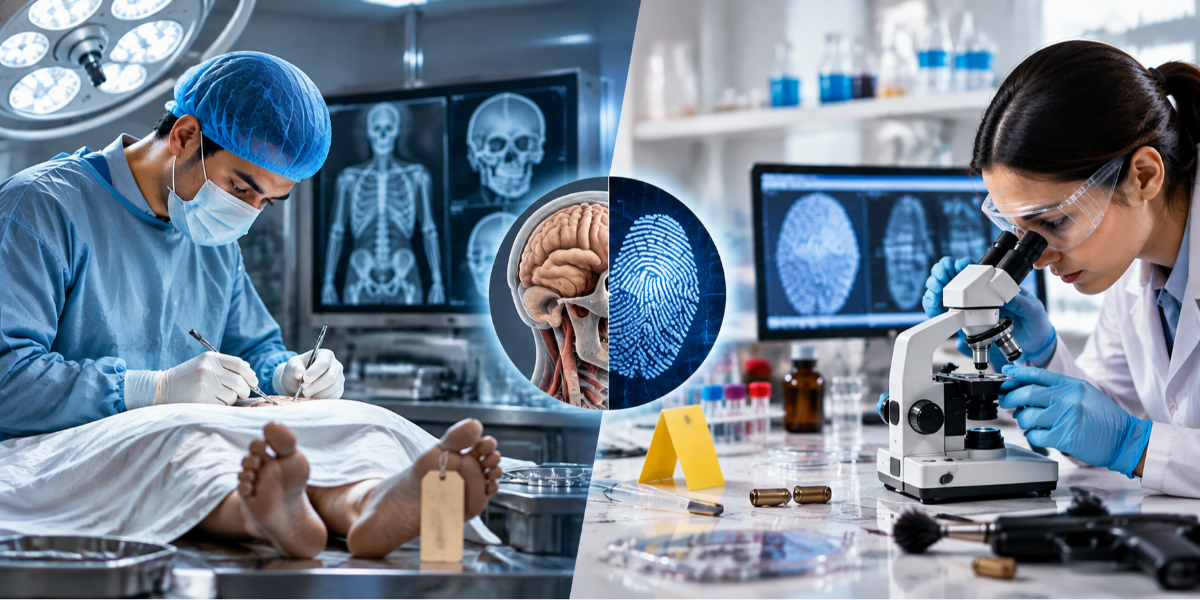
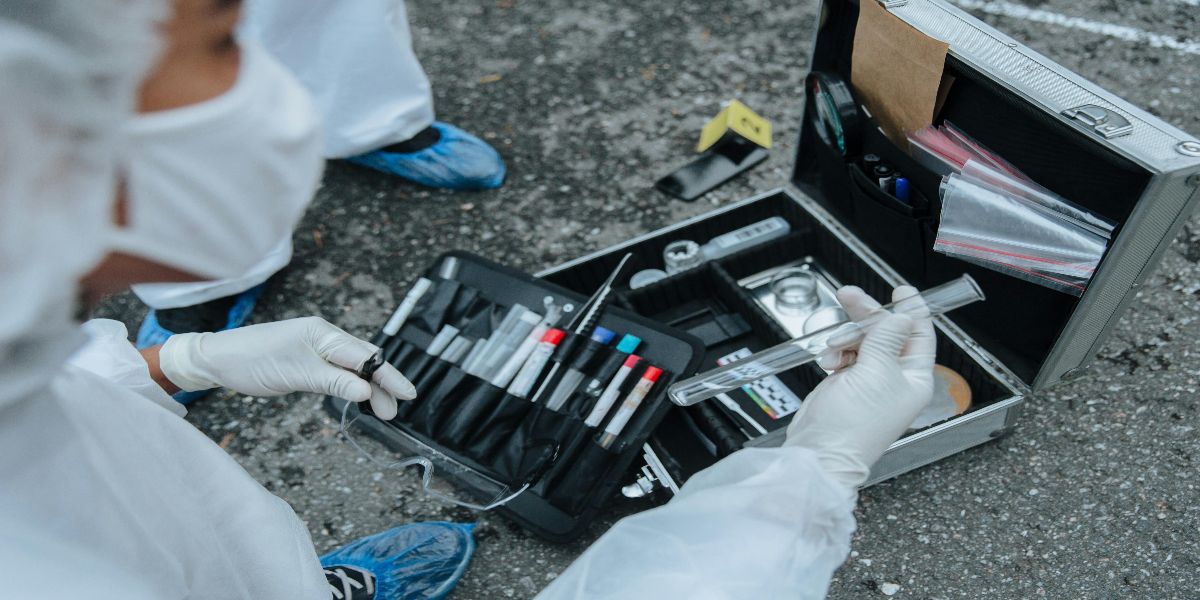
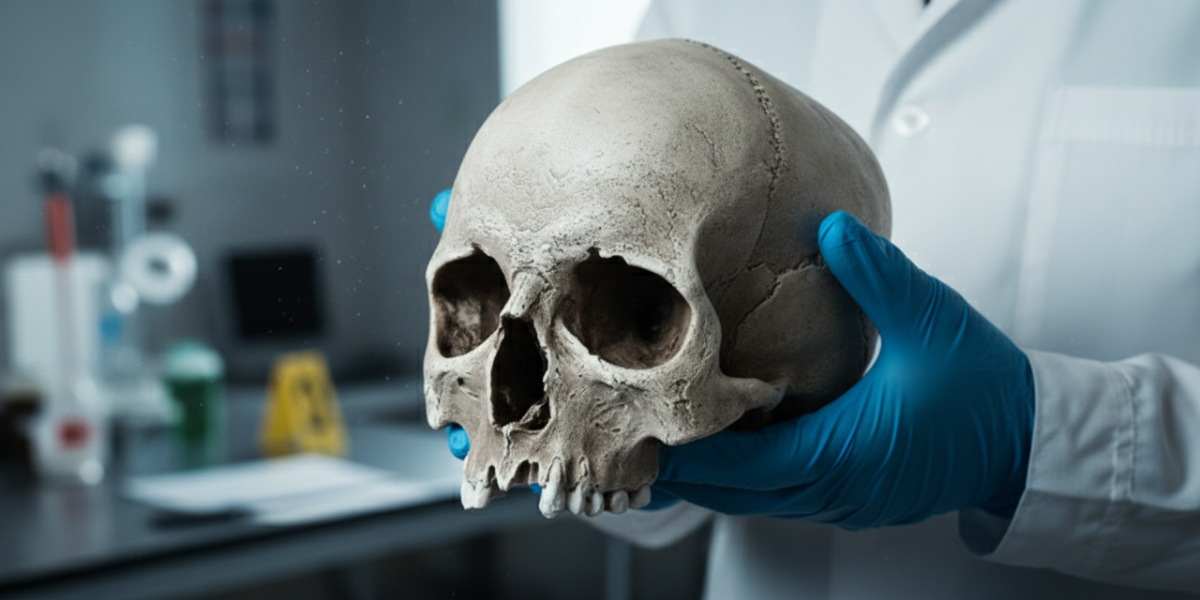
Forensic pathologists investigate deaths that may involve medical, legal, or criminal questions. Their work can include postmortem examinations to help determine the cause and circumstances of death.
These specialties may overlap, and the exact responsibilities of a pathologist depend on their training and workplace.
Pathologists are important members of the healthcare team. Although they may not routinely meet patients, their work often influences major medical decisions.
Their findings can help doctors:
For example, a surgeon may remove a tissue sample during an operation. A pathologist examines it and provides findings that help the treating team decide whether further treatment or follow-up is needed.
A pathologist and a general physician have different but complementary roles.
|
|
|
|
|
|
|
|
|
|
|
|
|
|
|
Both professionals contribute to accurate diagnosis and effective patient care. A general physician may order tests, while a pathologist interprets relevant findings and communicates the results to the treating team.
Pathology requires strong medical knowledge, careful observation, and the ability to interpret complex findings.
Important skills include:
These skills are developed through medical education, supervised training, and practical experience.
Modern healthcare depends on accurate diagnosis. Symptoms alone do not always reveal the cause of an illness, and different diseases can produce similar signs.
Pathology helps reduce this uncertainty by providing evidence from laboratory tests, tissue examination, and other investigations.
Advances in molecular testing, digital pathology, and other diagnostic technologies are also expanding the ways pathologists identify diseases. These tools can provide additional information, but their results must still be interpreted in the context of the patient's clinical condition.
Pathology is therefore essential not only for diagnosing diseases but also for supporting personalized treatment, disease monitoring, and medical research.
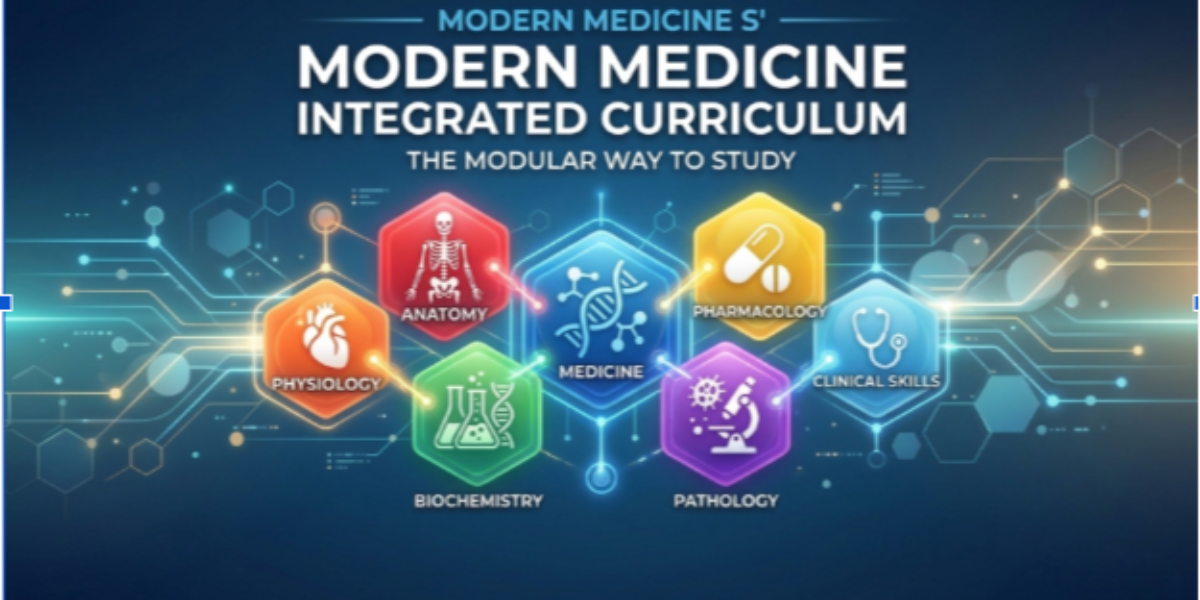
In an MBBS program, pathology helps students understand how normal body structures and functions change during disease.
Students typically study disease mechanisms, inflammation, tissue injury, blood disorders, infections, and the pathological changes associated with different illnesses. Their learning may include lectures, practical sessions, microscopy, case discussions, and laboratory-based learning, depending on the curriculum.
Understanding pathology helps future doctors connect the symptoms they observe in patients with the underlying biological causes of disease.
Students interested in this field can explore the Department of Pathology at AUMDC to learn more about its place within basic medical sciences.
A pathologist plays a vital role in modern healthcare by examining blood, tissues, cells, and other samples to help identify diseases. Their work supports cancer diagnosis, infection detection, blood disorder assessment, and many other medical investigations.
Although pathologists often work behind the scenes, their findings help doctors make informed decisions and provide appropriate care. For MBBS students, understanding pathology builds a strong foundation for recognizing diseases and applying medical knowledge in clinical practice.
Clarify pathologist versus lab technicianReduce repeated explanations of diagnosis