Date: Jul 22, 2026
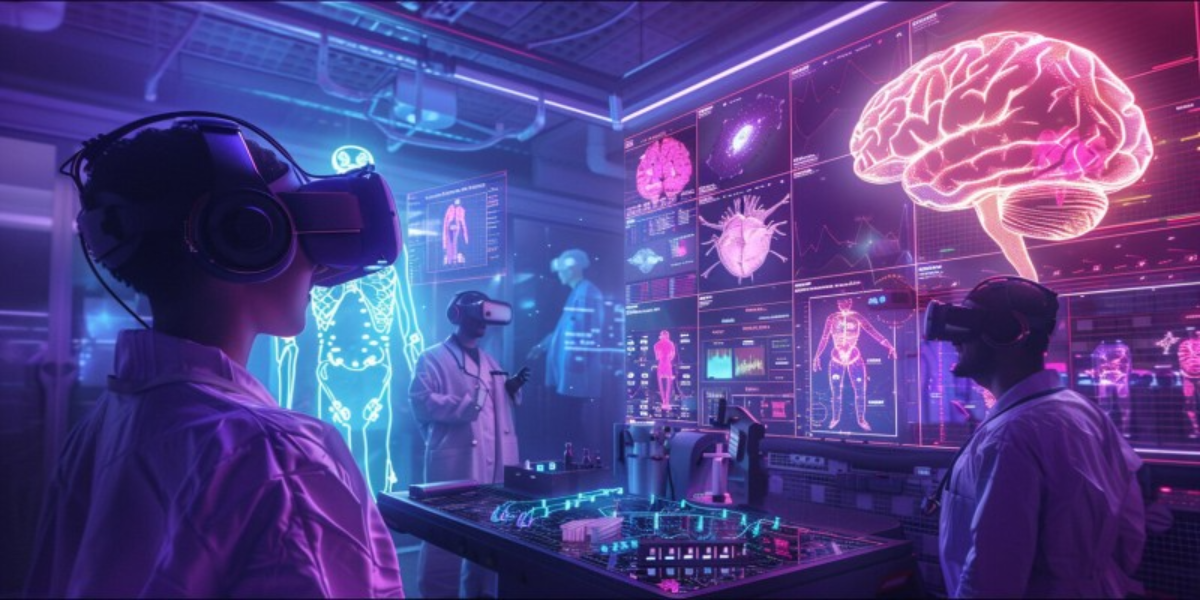
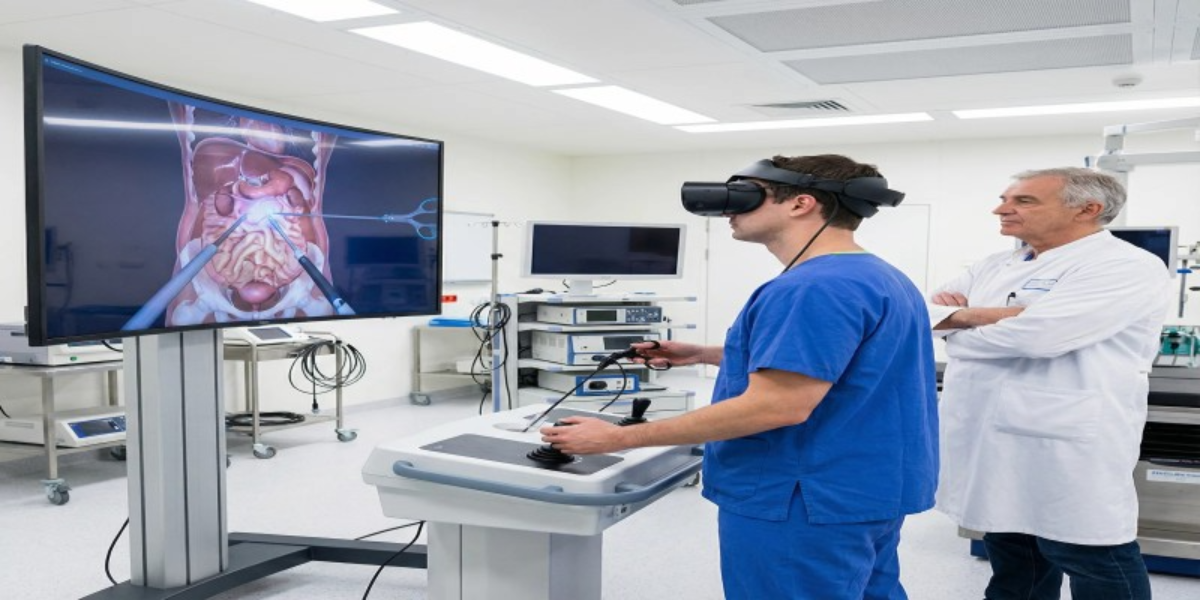
Medical education has historically relied on a standardized, one-size-fits-all model: lectures, textbook diagrams, and closely monitored clinical rotations. While this foundation remains essential, the rapid integration of Virtual Reality (VR) is completely transforming how students master complex anatomy and spatial relationships. VR allows for highly personalized learning experiences, giving medical undergraduates the power to manipulate three-dimensional models, practice delicate surgical procedures, and repeat intricate clinical scenarios as many times as they need in a zero-risk environment.
For the modern medical student, this immersive technology changes the educational experience from passive listening to active, tailored discovery.
The core strength of Virtual Reality lies in its ability to adapt to a student's individual learning pace. In a traditional anatomy lab, a student gets one chance to dissect a physical specimen alongside a large group. With VR headsets, that same student can virtually deconstruct a human heart, isolate specific coronary arteries, and view blood flow from the inside out, repeating the process until the concept is fully mastered.
This technological evolution is fundamentally reshaping the design of medical programs. Prospective undergraduates looking for an education that embraces these immersive tools can consult a comprehensive Admission Guide to find forward-thinking institutions that actively integrate advanced simulation technology into their foundational years.
Bringing extended reality into medical training requires a deliberate, structured framework to ensure it actively supports academic growth rather than serving as a digital distraction.
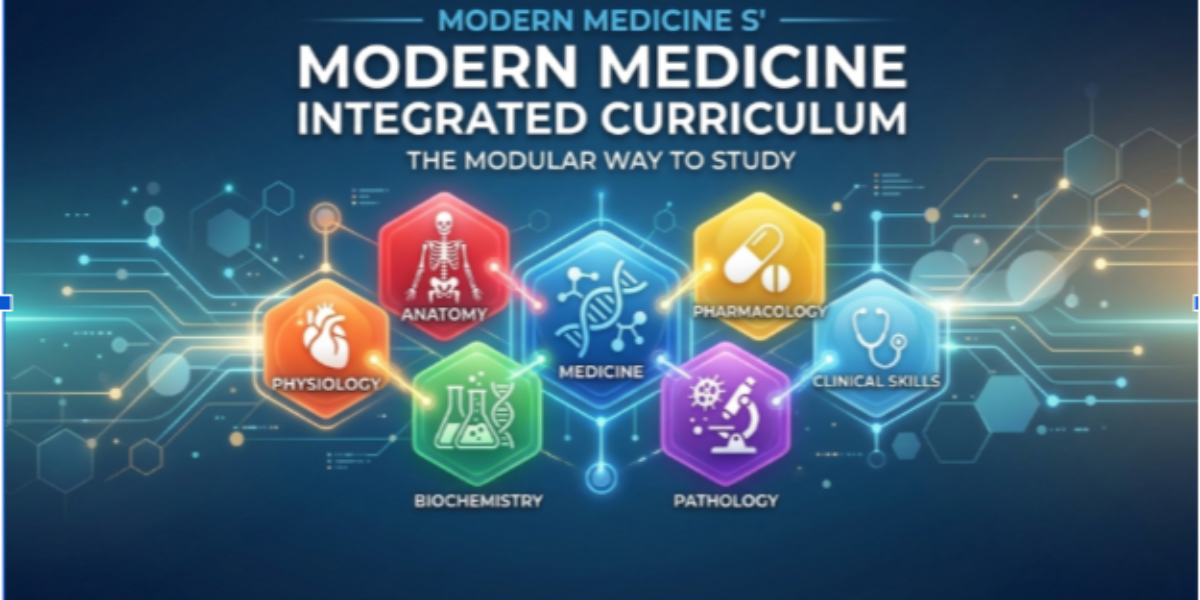
To maximize the benefits of this technology, VR modules must be carefully woven into daily educational routines. Reviewing an updated MBBS Curriculum reveals how modern schools are aligning classical lecture topics with simulated labs. For example, a morning lecture on neurological pathways can be immediately followed by an afternoon VR lab where students navigate a 3D simulation of the brain stem, bridging the gap between abstract textbook pages and tangible clinical visualization.
The ultimate goal of personalized VR training is to produce highly competent, confident physicians. Institutions track this progress through clearly defined MBBS Outcomes, which evaluate how well simulated mastery translates into real-world clinical performance. VR platforms provide immediate, objective data feedback, tracking everything from the precision of a student's virtual incision to their response times during a simulated cardiac arrest, ensuring that every graduate meets strict safety and competency benchmarks before working with real patients.
Virtual Reality is just one component of a larger technological revolution happening across the healthcare sector. As students become comfortable navigating virtual spaces, they must also prepare for the integration of data-driven systems in their daily clinical workflows.
Understanding how virtual simulations intersect with automated healthcare systems is crucial. Exploring the expanding role of Artificial Intelligence in Medical Diagnosis helps future doctors realize how machine learning algorithms and immersive interfaces will eventually work together, allowing clinicians to practice AI-assisted diagnostics inside virtual environments before executing treatment plans.
The future of medical education belongs to those who embrace the digital shift. Virtual Reality provides an unprecedented bridge between theory and practice, giving students a safe, personalized space to make mistakes, refine their skills, and build muscle memory. By integrating immersive simulations with strict curriculum standards and emerging digital tools, the next generation of doctors will enter hospital wards with an exceptionally high level of clinical preparation and confidence